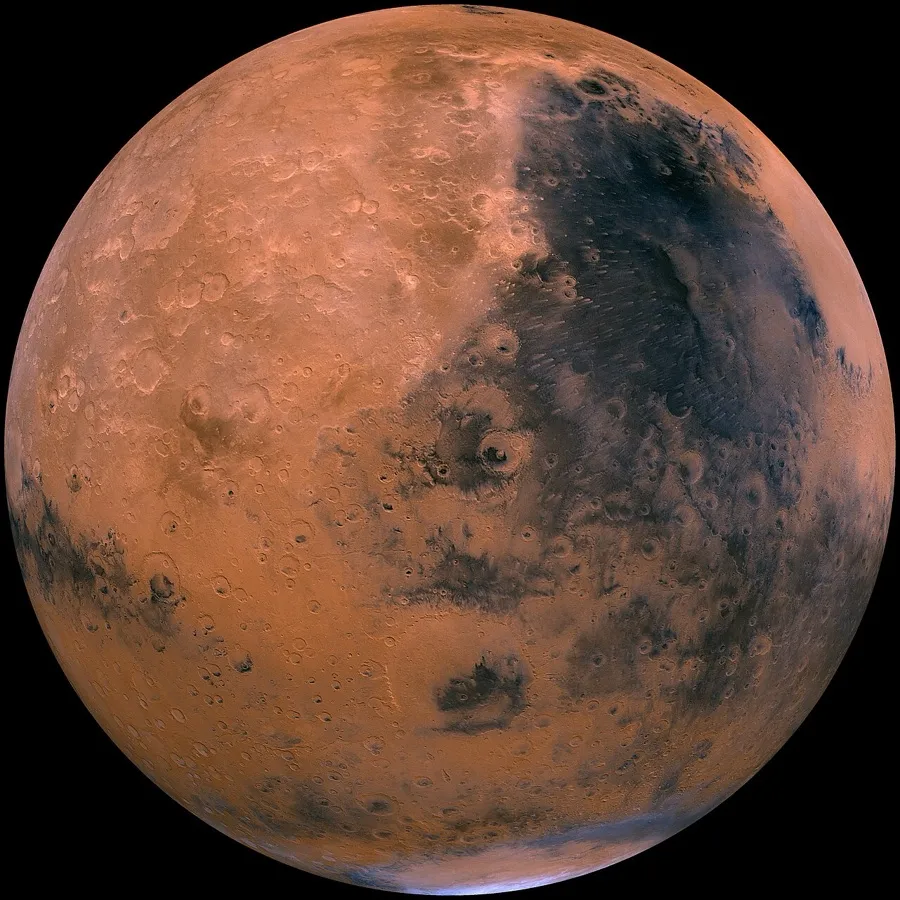
 Syrtis
Why Syrtis
Renaming TokenBar: derivation, candidates, and planetary time. Decided 17 July 2026.
An out-of-place name
My other open-source projects include coralline (a red alga) and pilotfish (the pilot fish). They are lowercase, single words, marine organisms, and metaphors for what the software does, without explaining themselves.
Placed alongside them, TokenBar was clearly from a different tradition. It spelled out its mechanics: token plus bar. You saw it, understood it, and that was the end of it. There is nothing wrong with a functional name, but it leaves no resonance.
To find a replacement, I had to clarify what this tool actually does. It comes down to a single idea:
Tiny things accumulating, grain by grain, settling over time into a visible shape.
Every token consumed in a prompt is too small to notice on its own. Day by day, however, those numbers add up: the menu-bar counter grows, and the 3D contribution graph rises cell by cell. The cat in the menu bar—an element brought over from tokcat—spins faster as usage climbs. The app reads the session logs AI coding tools already write on your computer, tracking tokens, costs, and subscription quotas across more than 25 tools. There is no account, no telemetry, and no uploaded usage data.
The name needed to be about that process of accumulation.
Etymology: a verb for dragging
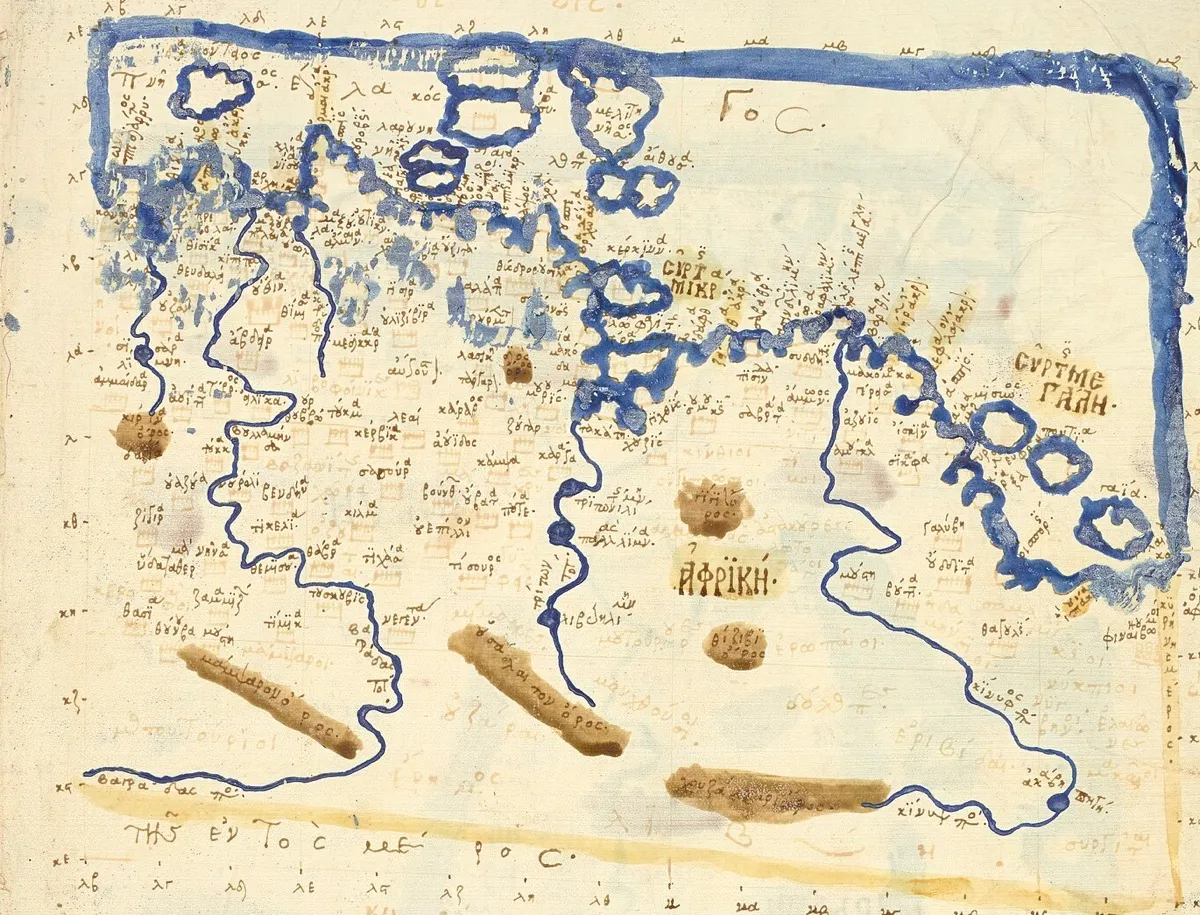
Syrtis comes from the ancient Greek Σύρτις, derived from the verb σύρω (syrō), meaning to drag, pull, or sweep along.
The root is exact. A shoal does not appear from nowhere; currents drag sand along the seabed until the water loses its momentum, dropping the grains in place. Day after day, sediment gathers until it breaches the surface.
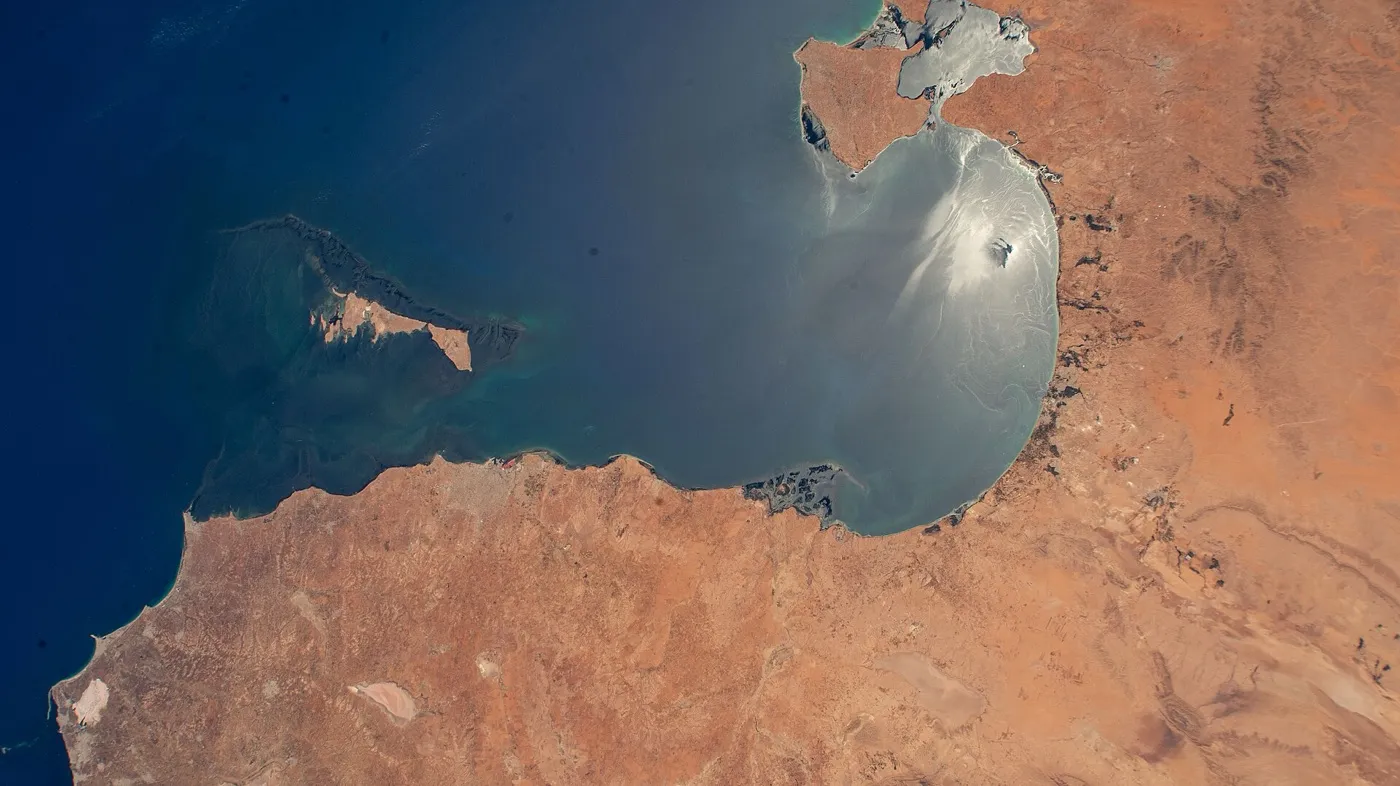
The Greeks used "the dragged place" to describe such shallow formations, specifically the two notorious gulfs off North Africa: Syrtis Major and Syrtis Minor, known today as the Gulf of Sidra in Libya and the Gulf of Gabès in Tunisia. Ancient accounts describe their shallows as treacherous waters where ships ran aground at the rise and fall of the tide and were rarely saved.
The first layer: the fear of sailors
Ancient mariners feared the Syrtis.
Its danger lay not in a violent appearance, but in its calm deception. The surface looked tranquil and deep enough, yet sandbanks shifted unpredictably underneath. A passage that was clear one season could ground a vessel the next. With wide tides, ships ran aground at the ebb and could not break free.
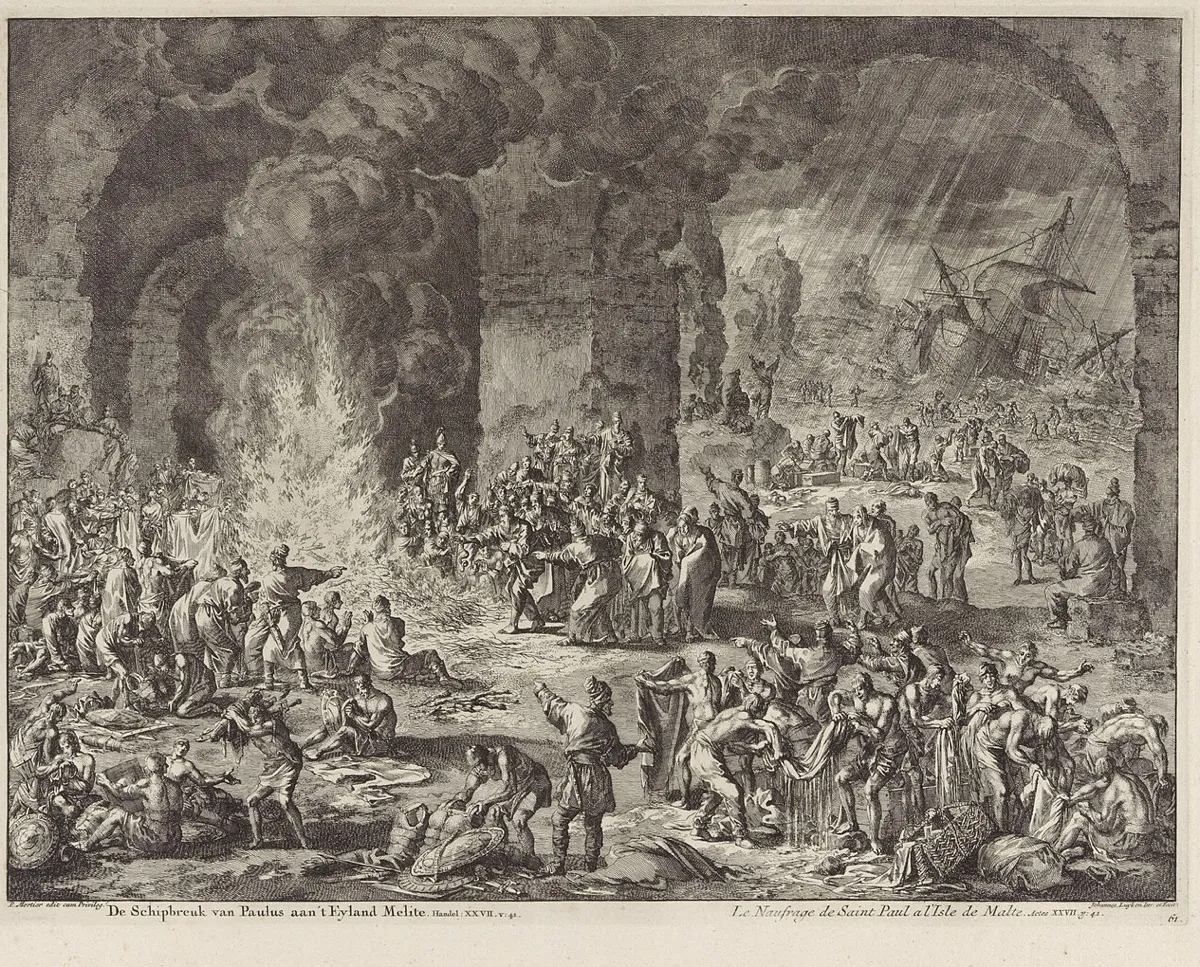
In Acts 27:17, during Paul's voyage across the Mediterranean, the crew ran into a violent storm. Fearing they would run aground on the Syrtis, they lowered the gear and let the ship drive before the wind. It is one of the best-known ancient mentions of that navigational fear.
The Syrtis was terrain you had to monitor continuously, or pay the price. For a tool tracking usage, that metaphor is already complete: usage is an invisible cost that accumulates beneath quiet waters until you run aground. Yet the name carries a second layer.
The second layer: Huygens's hourglass
On 28 November 1659, the Dutch astronomer Christiaan Huygens turned his telescope toward Mars and sketched a large dark marking on its surface. It was the first documented surface feature of another planet, later known as the Hourglass Sea.
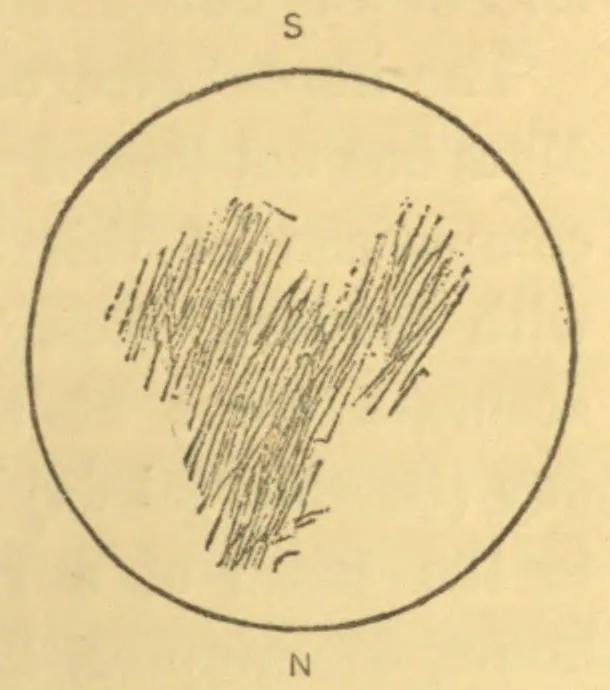
Huygens then tracked the marking across several nights. On 1 December 1659, noting that the dark patch returned to roughly the same position each night, he concluded that Mars rotated on its axis in about 24 hours, much like Earth. Mars's true sidereal rotation is roughly 24 hours and 37 minutes; his estimate was off by just over half an hour.
He used a surface feature to measure the time of a planet.
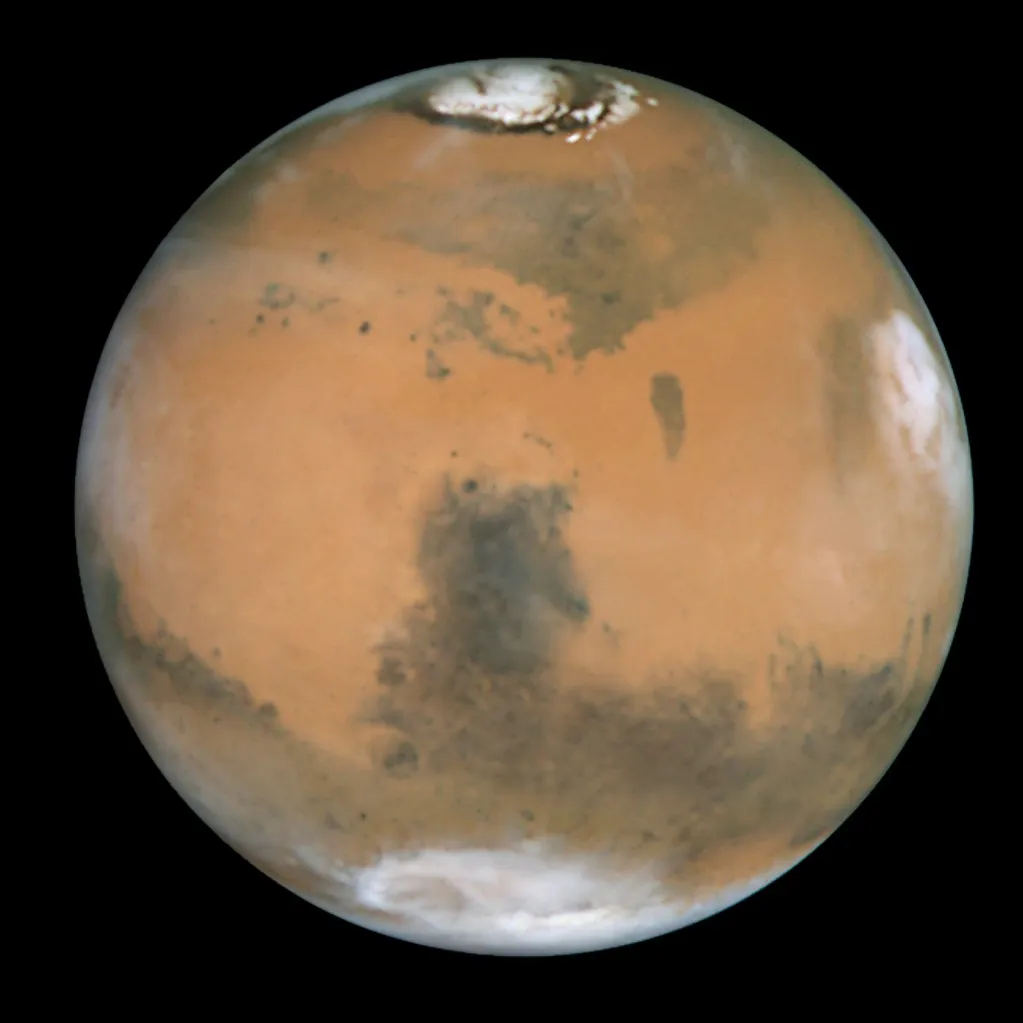
In 1877, Giovanni Schiaparelli drew on classical geography to map Mars during its close approach to Earth. The marking Huygens had drawn became Syrtis Major.
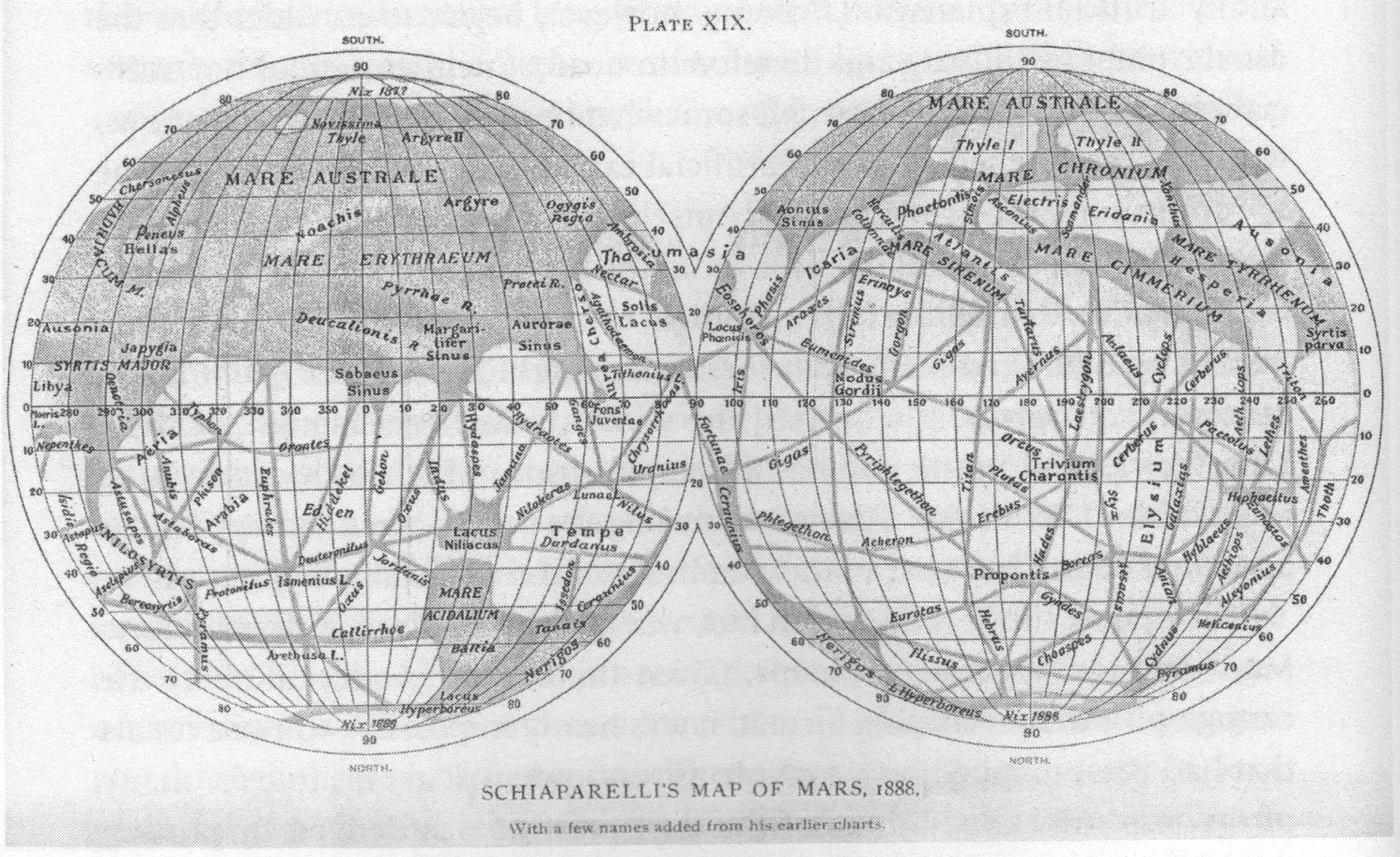
A shallow terrestrial sandbank had lent its name to a Martian landmark—the first feature humanity ever used to measure planetary time.
Mapping three layers to the product
- Accumulation: currents drag sand grain by grain into a shoal; token consumption accumulates cell by cell into the 3D graph and the menu-bar counter.
- Observation: hidden shallows beneath calm water run you aground if neglected; token usage and quotas remain silent overheads that demand steady observation.
- Timekeeping: humanity's first landmark for measuring a planetary day; the app is fundamentally a counter charting time and daily usage.
All three layers align without contrivance. Other candidates captured a single layer; Syrtis held all three.
It also retains quiet restraint. Someone seeing Syrtis will not understand it at once. They have to look it up, and once they do, they remember Huygens's sketch.
It shares the temperament of coralline and pilotfish: quiet, self-contained, waiting to be discovered.
Candidates considered
- catshark (the catshark): An early frontrunner. It referenced the cat in the menu bar that spins faster with higher usage, echoed my own name (Nyanako), and shared a shark family metaphor with pilotfish. Too obvious. Cat plus shark was transparent on sight, branded only the surface, and bore no relation to what the tool does. The cat belongs in the menu bar, not on the nameplate.
- sandbar (a ridge of sand built by currents): The archetype of sand accumulating into a shoal, with a quiet link to the "bar" in TokenBar and the sandbar shark. Too ordinary. The concept was sound, but it lacked historical depth. Syrtis is the ancient Greek equivalent, carrying two thousand years of weight.
- shiome (Japanese for tide rip, the boundary where currents meet): The visible line formed where two ocean currents meet, read by fishermen to locate fishing grounds, and the root of the Japanese idiom for a turning point. It was the only candidate weaving my Japanese naming lineage into the product. Near miss. It spoke of confluence and turning points rather than gradual accumulation, missing the core dynamic of the tool.
- tombolo (Italian geographical term for a spit connecting an island to the mainland): A metaphor for connecting more than 25 disparate AI coding tools into a single view. A secondary feature, not the essence. It described integration rather than the primary accumulation of tokens, and the word felt slightly long.
- varve (Swedish geological term for an annual layer of glacial lake sediment): A geological structure where annual sediment layers can be counted like tree rings, an exact counterpart to the contribution graph. It belongs to glacial freshwater lakes rather than the sea, breaking the marine lineage of coralline and pilotfish.
- spyhop (cetacean term for a whale rising vertically out of the water to look around): A visual image for glancing at a menu bar or tray icon to check usage. Contradictory. The app operates with zero telemetry, no accounts, and no uploaded logs; having "spy" in the name sounded wrong.
- remora (the suckerfish that rides sharks): A companion fish that attaches to sharks, forming a pair with pilotfish; attaching also mirrored a lightweight resident utility reading local logs. Already taken. I had already used the name for another of my projects.
Rejected for collisions
- atoll: A well-known macOS Dynamic Island tool already uses the name.
- krill: KrillinAI is a large project with that name.
- shoal: An existing project in the AI agent space already uses this name.
- baleen: Several NLP projects already use this name.
- nyanbar: An existing cat-themed Claude Code monitor app already uses this name.
In the end
From catshark to Syrtis, the central criterion remained the same: a quiet name.
Not obscure, but not transparent at first glance. A good name is like a shoal beneath calm water: unseen at first, discovered upon closer inspection, and impossible to forget once known.
Beneath Syrtis lies two thousand years of maritime caution, and nights spent using a sandbank to measure the length of an alien day.